• Products
  • The Book!
  • The Photos
  • Videos
  • Ask A Local
  • Food
  • Cool Places
  • About
  • Contact

Glimpses of Charleston

A local's eye view

Folly

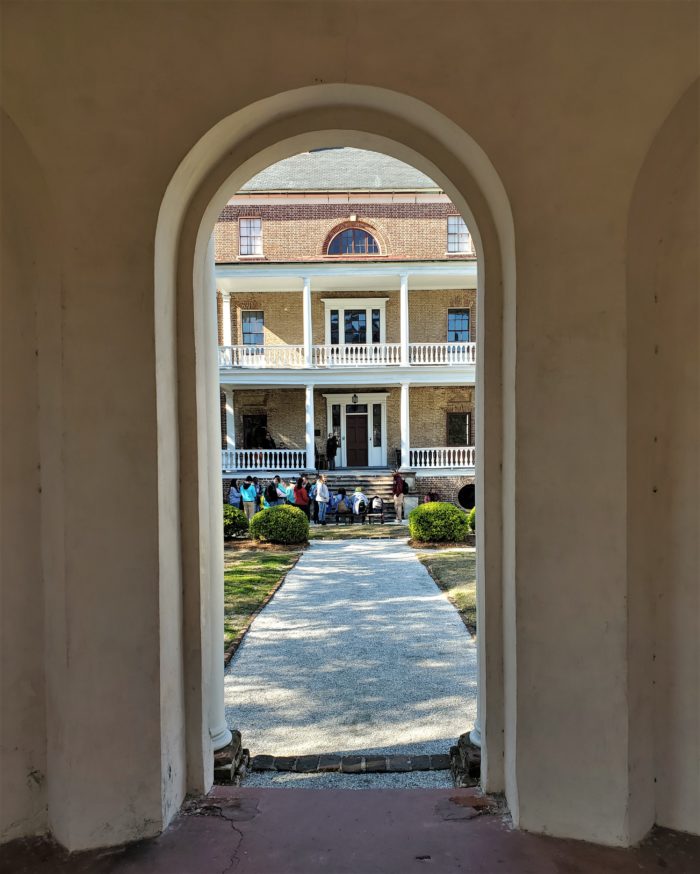
A different view of the Joseph Manigault House through the door of the garden "folly."

A different view of the Joseph Manigault House through the door of the garden “folly.”
Car Port

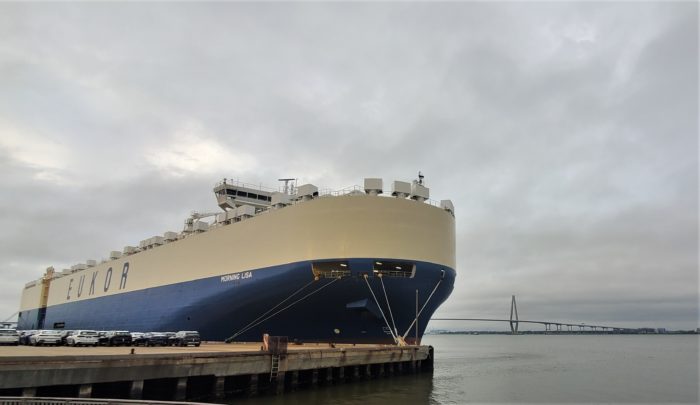
The port has always played a critical role in Charleston's life. Here a car carrier, likely in town to pick up BMW's manufactured in upstate SC, is posing against the Cooper River Bridge. In 2016, BMW and the port celebrated the shipping of the 2,000,000th BMW made in SC through Charleston.
The port has always played a critical role in Charleston’s life. Here a car carrier, likely in town to pick up BMW’s manufactured in upstate SC, is posing against the Cooper River Bridge. In 2016, BMW and the port celebrated the shipping of the 2,000,000th BMW made in SC through Charleston.

Second Pres

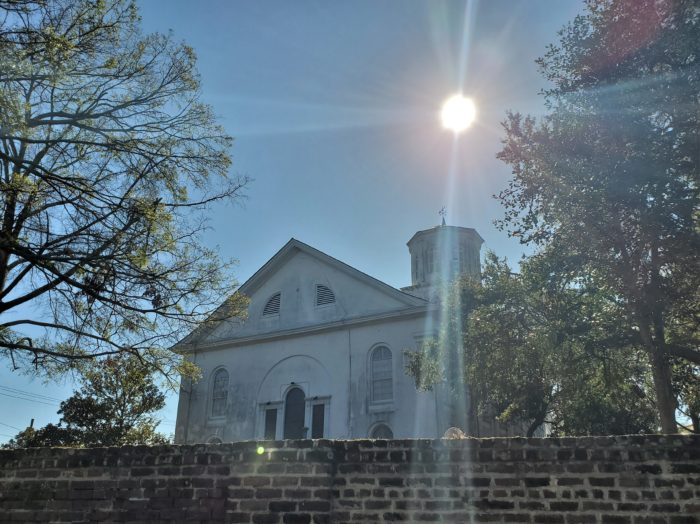
The Second Presbyterian Church building (c. 1811), as seen from Elizabeth Street. The fourth oldest congregation in Charleston, the full name of the church is "the Second Presbyterian Church of Charleston and Its Suburbs." Instead of that mouthful, it is commonly referred to as "Second Pres."

The Second Presbyterian Church building (c. 1811), as seen from Elizabeth Street. The fourth oldest congregation in Charleston, the full name of the church is “the Second Presbyterian Church of Charleston and Its Suburbs.” Instead of that mouthful, it is commonly referred to as “Second Pres.”
Laurens

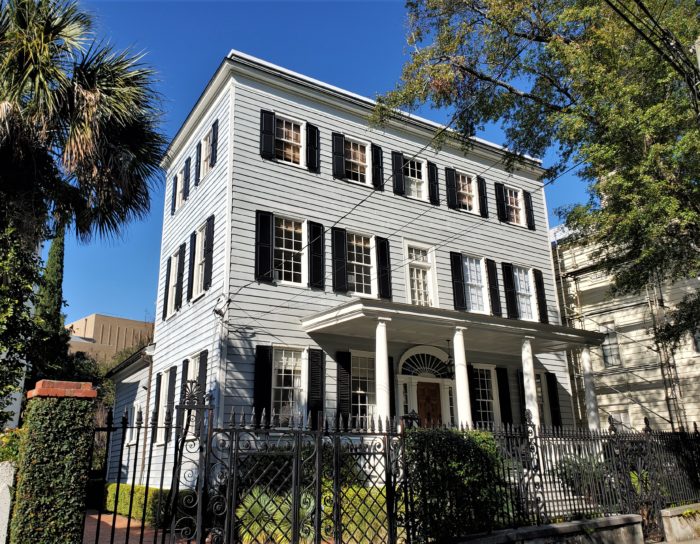
This handsome house on Laurens Street was built in 1807-08. In the antebellum period a number of additions were made, including adding the incredible fence/gates and the entire third floor of the house.
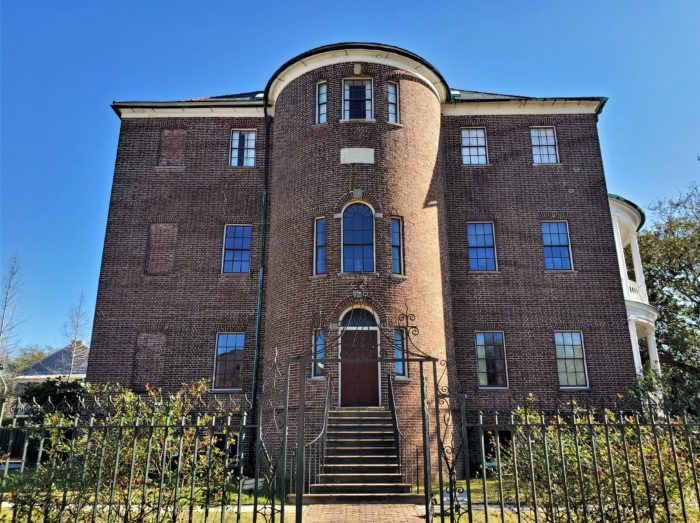
This handsome house on Laurens Street was built in 1807-08. In the antebellum period a number of additions were made, including adding the incredible fence/gates and the entire third floor of the house.

Joseph Manigault House

The Joseph Manigault House on Meeting Street was built in 1803, and designed by Joseph's brother Gabriel.  In 1920, after a number of owners and uses, it was slated to be demolished. Susan Pringle Frost, who is best know for founding the Preservation Society of Charleston, created the Society for Preservation of Old Dwellings (which later became the Preservation Society) to save it. 

The Joseph Manigault House on Meeting Street was built in 1803, and designed by Joseph’s brother Gabriel.  In 1920, after a number of owners and uses, it was slated to be demolished. Susan Pringle Frost, who is best know for founding the Preservation Society of Charleston, created the Society for Preservation of Old Dwellings (which later became the Preservation Society) to save it.
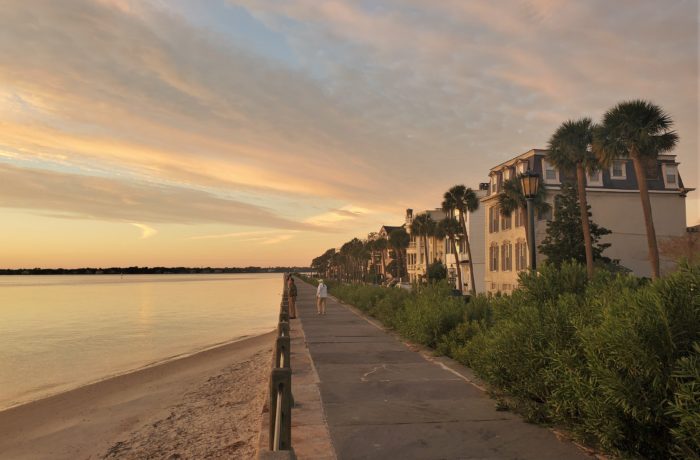
High Battery Morning

Beautiful at just about any time, the High Battery is always lovely in the early morning. On the morning of April 12, 1861, the people of Charleston gathered here to watch the bombardment of Fort Sumter -- the first shots of the American Civil War.

Beautiful at just about any time, the High Battery is always lovely in the early morning. On the morning of April 12, 1861, the people of Charleston gathered here to watch the bombardment of Fort Sumter — the first shots of the American Civil War.
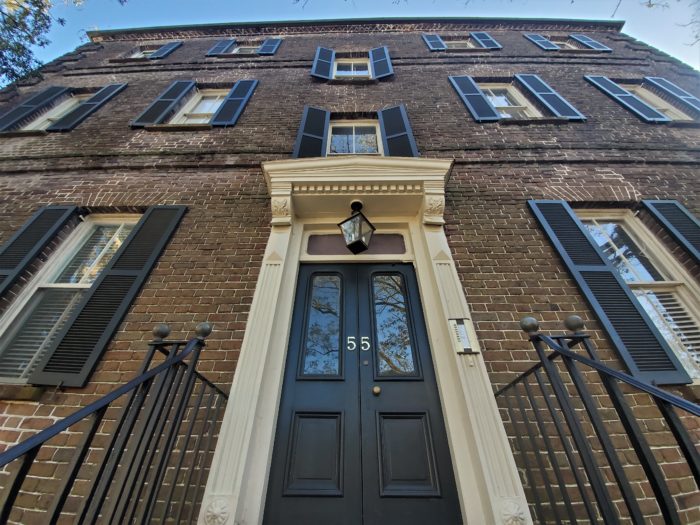
No Boom

In 1838 this imposing brick house on Laurens Street (c.1818) had its basement loaded with kegs of gunpowder in case the fire of 1838 spread in its direction. The thought was that they would blow up the house to help stop the spread of the fire. Fortunately, for the house, the fire never reached it and they never had to ignite the kegs. 

In 1838 this imposing brick house on Laurens Street (c.1818) had its basement loaded with kegs of gunpowder in case the fire of 1838 spread in its direction. The thought was that they would blow up the house to help stop the spread of the fire. Fortunately, for the house, the fire never reached it and they never had to ignite the kegs.
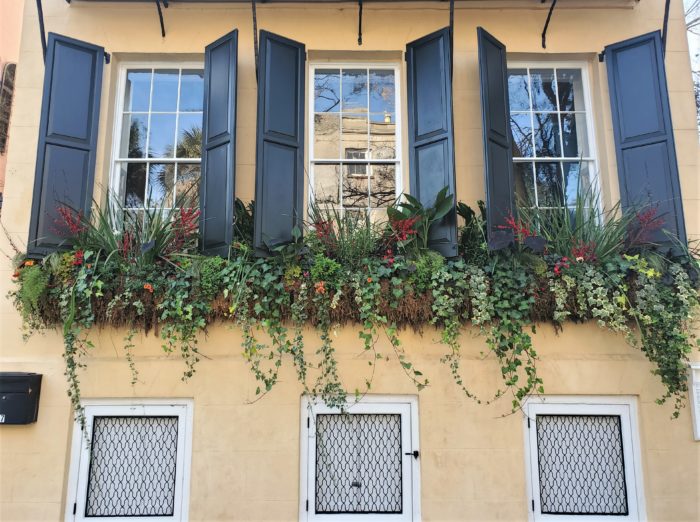
Sisterly Flowers

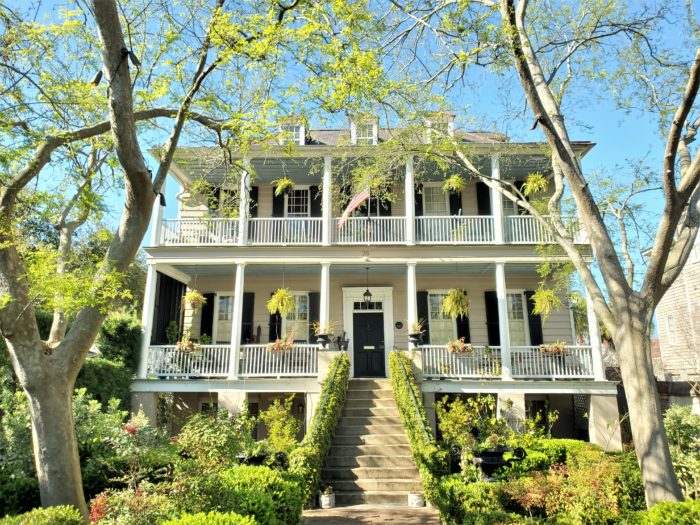
These flower boxes are on the northernmost of the "Three Sisters" houses on Meeting Street. This house, the youngest of the sisters, is different from its siblings in that they were built before the American Revolution (1770 and 1760),  and this one was built after (about 1800).
These flower boxes are on the northernmost of the “Three Sisters” houses on Meeting Street. This house, the youngest of the sisters, is different from its siblings in that they were built before the American Revolution (1770 and 1760),  and this one was built after (about 1800).

Holy City Steeples

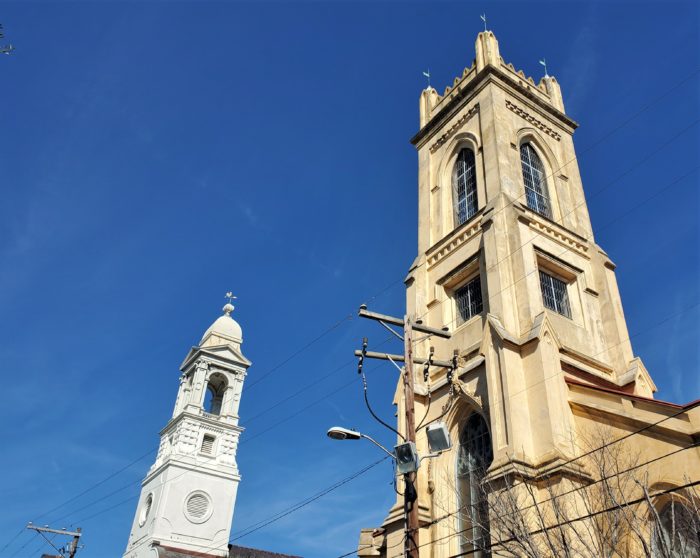
These steeples, which help contribute to Charleston's Holy City moniker, can be found on Archdale Street. St. John's Lutheran Church is on the left, and on the right is the Unitarian Church -- which was occupied and used as barracks by both the American and British forces during the Revolutionary War.
These steeples, which help contribute to Charleston’s Holy City moniker, can be found on Archdale Street. St. John’s Lutheran Church is on the left, and on the right is the Unitarian Church — which was occupied and used as barracks by both the American and British forces during the Revolutionary War.

Federal Beauty

This simple Federal style house was built around 1809 on Chapel Street. Just another Charleston house.

This simple Federal style house was built around 1809 on Chapel Street. Just another Charleston house.

  • « Previous Page
  • 1
  • …
  • 43
  • 44
  • 45
  • 46
  • 47
  • …
  • 188
  • Next Page »

Ask a Local

What’s the deal with the City Market? Were slaves sold there or not?

asks John H., from Seattle, Washington… The City Market is what was called the “Slaves’ Market,” not the “Slaves Market.”  That apostrophe makes all the difference in the world. While a shocking number of humans were sold into slavery in Charleston (a very dark period in the City’s history), they were not sold at what […]

Social Profiles

  • Facebook
  • RSS
  • Tumblr
  • Twitter
  • YouTube

Copyright © 2026, David R. AvRutick. All rights reserved.